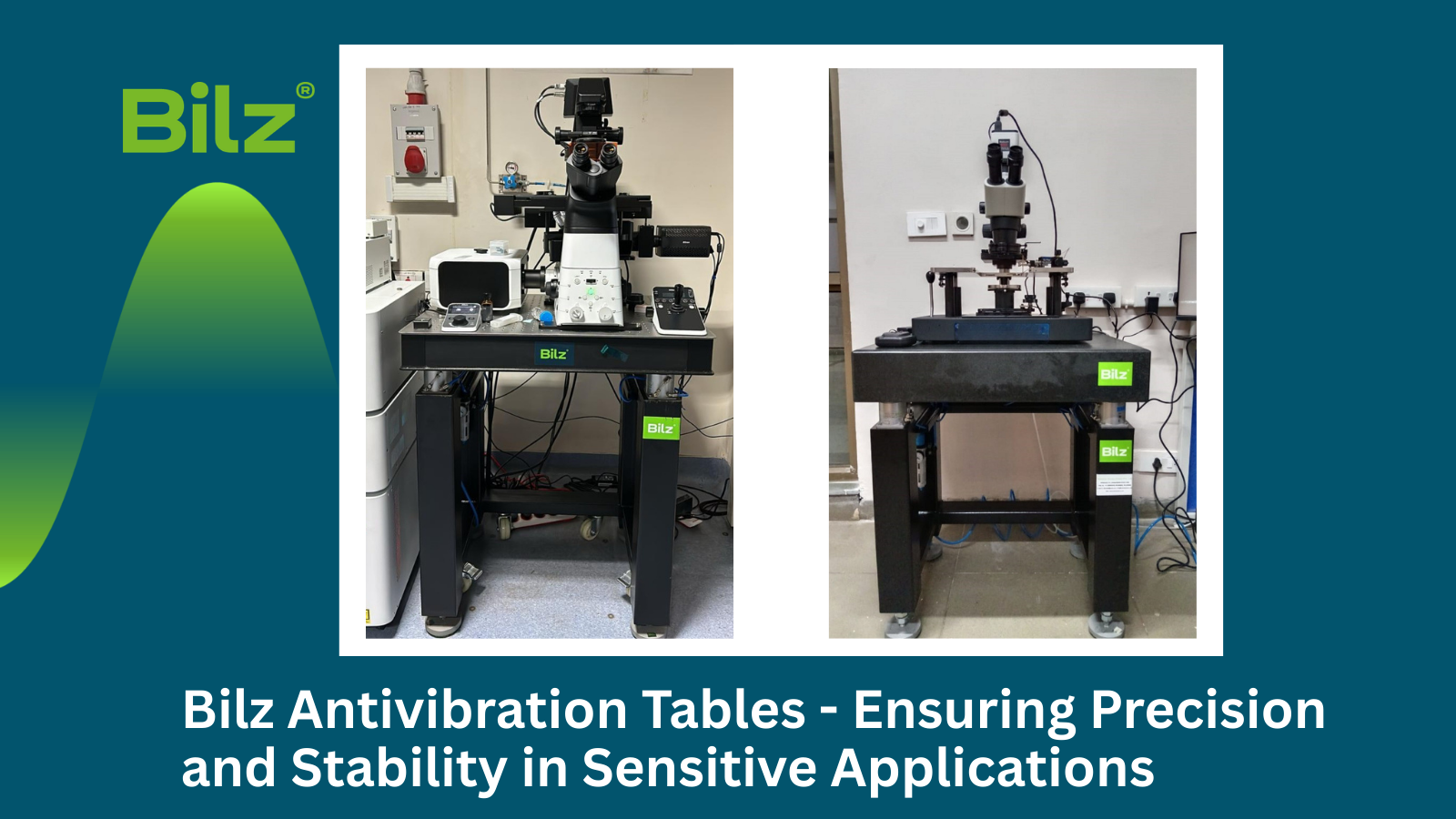
In industries where precision, stability, and accuracy are critical, even the smallest vibration can lead to measurement errors, reduced performance, or equipment damage. This is where an Anti Vibration Table becomes essential.
An Anti Vibration Table is specifically designed to isolate sensitive instruments and equipment from external vibrations, ensuring accurate results and stable operation. These tables are widely used in metrology labs, research facilities, electronics manufacturing, microscopy applications, and precision engineering environments.
What is an Anti Vibration Table?
An Anti Vibration Table is a specially engineered platform that minimizes or eliminates vibrations caused by external sources such as machinery, foot traffic, building movement, or environmental disturbances.
These tables typically include:
- Vibration isolation mounts
- High-mass granite or steel tops
- Damping systems
- Precision leveling mechanisms
By absorbing and isolating vibrations, an Anti Vibration Table ensures that sensitive equipment operates in a controlled and stable environment.
Why Anti Vibration Tables Are Important
Many precision instruments require stable working conditions to deliver reliable results. Without proper vibration isolation, instruments may experience:
- Measurement inaccuracies
- Reduced repeatability
- Image distortion in microscopes
- Poor machining or inspection results
- Equipment wear or malfunction
An Anti Vibration Table eliminates these issues by providing a stable base for critical instruments.
Applications of Anti Vibration Tables
Anti vibration tables are widely used across multiple industries where precision is essential.
- Metrology and Measurement Labs
Coordinate measuring machines (CMMs), precision gauges, and optical measurement systems require high vibration isolation to maintain measurement accuracy.
- Microscopy and Imaging Systems
Microscopes, especially electron microscopes and high-resolution optical microscopes, require stable platforms. Even minor vibrations can distort images.
- Semiconductor and Electronics Manufacturing
Delicate processes such as microelectronics assembly, wafer inspection, and laser applications demand vibration-free environments.
- Research Laboratories
In scientific experiments, maintaining consistent conditions is critical. Anti vibration tables help researchers obtain reliable and repeatable results.
- Precision Engineering and Tool Rooms
Grinding machines, precision inspection tools, and calibration equipment perform better when installed on anti vibration tables.
Key Features of a High-Quality Anti Vibration Table
When selecting an Anti Vibration Table, certain features play a crucial role in ensuring optimal performance.
- High Stability Structure
A rigid frame structure ensures the table remains stable even under heavy loads. - Advanced Vibration Isolation
- Modern anti vibration tables use air isolation systems or passive damping technologies to reduce vibrations effectively.
- Precision Granite or Steel Top
- Heavy tops improve damping and provide excellent flatness for precision work.
- Adjustable Leveling System
- Precision leveling ensures equipment remains perfectly aligned.
- Durable Industrial Design
- Anti vibration tables are designed for long-term industrial use with minimal maintenance.
Benefits of Using an Anti Vibration Table
Investing in an Anti Vibration Table offers several advantages for precision applications.
- Improved Measurement Accuracy
Stable platforms ensure measurement tools deliver consistent and reliable results.
- Enhanced Equipment Performance
Sensitive instruments operate efficiently when isolated from external disturbances.
- Increased Equipment Lifespan
Reducing vibration minimizes mechanical stress and extends equipment life.
- Higher Productivity
Operators can work confidently knowing their equipment is installed on a stable and vibration-free platform.
Choosing the Right Anti Vibration Table
Selecting the right Anti Vibration Table depends on several factors:
- Type of equipment to be mounted
- Load capacity requirements
- Level of vibration isolation needed
- Workspace size and environment
- Application type (laboratory, industrial, research)
Working with a specialized manufacturer or supplier ensures you get the right solution tailored to your application.
Bilz Anti Vibration Tables – Reliable Precision Solutions
Bilz Anti Vibration Tables are widely recognized for their advanced vibration isolation technology, robust design, and superior performance. These tables are engineered to support precision instruments in industries where stability and accuracy are non-negotiable.
With innovative vibration damping systems and precision manufacturing, Bilz anti vibration tables provide the ideal platform for sensitive equipment, ensuring optimal performance and reliable results.
Conclusion
In precision-driven industries, even the smallest vibration can compromise performance and accuracy. Installing a high-quality Anti Vibration Table ensures that sensitive instruments operate in a stable environment, delivering reliable and repeatable results.
Whether used in laboratories, manufacturing facilities, research centers, or metrology departments, an Anti Vibration Table is a crucial investment for achieving precision, stability, and long-term equipment performance.